11
Aug
Universal Refillable Dye Ink: Is It the Most Cost-Effective Choice for Your Printer?
Universal refillable dye ink is one of the most cost-effective printing solutions available, reducing per-page ink expenses by up to 80% to 90% compared to original equipment manufacturer (OEM) cartridges. However, whether it is the “better” option depends entirely on your specific printing needs, printhead technology, and quality expectations.
While generic refillable dye inks offer unmatched financial savings for high-volume, everyday document printing, they require trade-offs in water resistance, long-term archival stability, and precise color calibration when compared to model-specific or OEM pigment inks.
What Is Universal Refillable Dye Ink?
Universal refillable dye ink is a liquid, colorant-based ink formulated to function across a broad array of inkjet printers, regardless of brand (e.g., Canon, Epson, HP, Brother). Unlike OEM cartridges designed for a single specific printer model, universal dye ink uses a balanced viscosity, surface tension, and chemical pH profile engineered to pass safely through different thermal and piezoelectric printhead mechanisms.
Key Technical Characteristics of Dye Ink:
- Colorant Mechanism: Soluble color dyes dissolved fully in a liquid base, producing smooth, microscopic liquid drops that absorb directly into paper fibers.
- Viscosity Balance: Formulated with a medium viscosity tolerance to prevent clogging in microscopic print nozzles across multiple printhead designs.
- Drying Speed: Dries rapidly on porous papers and glossy media, producing vivid, saturated colors.
Cost-Effectiveness: Financial Breakdown and ROI
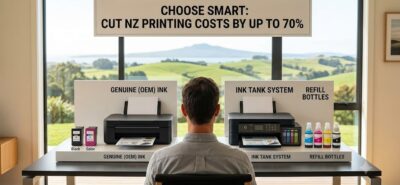
To understand why refillable dye ink is so popular, it helps to examine the raw economics of home and office printing. Standard OEM cartridges are notoriously expensive per milliliter, often costing more than fine perfume or luxury vintage wine.
+------------------------------------+-----------------------+------------------------+
| Metric                             | OEM Cartridges        | Universal Dye Ink      |
+------------------------------------+-----------------------+------------------------+
| Cost Per Milliliter (Avg.)         | $1.00 – $2.50 / mL    | $0.03 – $0.10 / mL     |
| Average Bottle / Cartridge Cost    | $25 – $45 per unit    | $10 – $18 per 100-250mL|
| Page Yield (Standard Black/Color)  | 150 – 400 pages       | 3,000 – 7,000 pages    |
| Average Cost Per Page (Text)       | $0.05 – $0.12         | $0.002 – $0.005        |
| Average Cost Per Page (4x6 Photo)  | $0.25 – $0.50         | $0.02 – $0.05          |
+------------------------------------+-----------------------+------------------------+
The Return on Investment (ROI)
For a household or business printing 500 pages per month:
- Using OEM Cartridges: ~$300 to $600 annually in replacement cartridges.
- Using Universal Refillable Ink: ~$20 to $40 annually in bulk ink bottles.
The initial investment in refillable cartridges or a Continuous Ink Supply System (CISS) typically pays for itself within the first 1 to 2 refills.
Performance Comparison: Universal Dye vs. Model-Specific vs. Pigment Ink
To evaluate if universal dye ink is the better choice, compare it directly against the other primary ink categories.
1. Universal Dye Ink vs. Model-Specific Ink
- Universal Dye Ink: Standardized chemical formulation designed to work across multiple brands. It is lower in cost and highly versatile, but color accuracy may vary slightly depending on paper type and printhead profiles.
- Model-Specific Ink: Formulated specifically to match a precise printer series (e.g., Epson EcoTank or Canon MegaTank series). It offers tighter color matching and optimal viscosity, though usually at a slightly higher price point than universal alternatives.
2. Dye Ink vs. Pigment Ink
- Dye-Based Ink: Excellent for glossy photos because the liquid colorant absorbs cleanly into the photo paper’s coating without disrupting the surface gloss. However, dye ink is water-soluble; exposed prints will smudge when splashed or highlighted.
- Pigment-Based Ink: Uses microscopic solid powder particles suspended in liquid. It provides superior water resistance, UV fade resistance, and crisp text clarity on plain paper, but is more expensive and prone to drying out if left unused.
Major Advantages of Universal Refillable Dye Ink
1. Unbeatable Financial Savings
The primary driver for choosing universal dye ink is cost reduction. Bulk bottles allow users to print thousands of pages at a fraction of a cent per page.
2. Environmental Sustainability
Single-use ink cartridges contribute thousands of tons of plastic and electronic waste to landfills each year. Refillable bottles and reusable cartridges dramatically decrease environmental impact by extending the life cycle of printing hardware.
3. High Vibrancy on Glossy Photo Paper
Dye inks naturally shine when producing glossy photographs. Because the dye dissolves completely into the liquid vehicle, it creates smooth gradients and vibrant, saturated hues without the dulling effect (“bronzing”) sometimes seen with pigment inks on glossy stock.
4. Reduced Risk of Severe Head Clogging
Because dye ink contains no suspended solid particles, it is less likely to settle and form stubborn blockages inside microscopic printhead nozzles compared to pigment ink—making it a safer option for printers that experience brief periods of inactivity.
Trade-offs, Drawbacks, and Potential Risks
While the financial benefits are substantial, universal refillable dye ink has distinct limitations that users must manage carefully.
+----------------------------+----------------------------------------------------+---------------------------------------------------+
| Feature                    | Advantage / Benefit                                | Limitation / Risk                                 |
+----------------------------+----------------------------------------------------+---------------------------------------------------+
| "Universal" Formulation    | Works on multiple printer models & brands         | Color profiles may require slight manual adjustment|
| Soluble Liquid Structure   | Smooth glossy photos; low nozzle clog risk        | Vulnerable to water damage, smudging, and fading  |
| Refill Process             | Reusable hardware; eliminates cartridge waste     | Requires careful handling to avoid accidental drips|
| Third-Party Source         | Massive cost reduction                           | May void official manufacturer warranty claims    |
+----------------------------+----------------------------------------------------+---------------------------------------------------+
1. Water Sensitivity and Light Fastness
Dye ink remains soluble even after drying. Exposure to high humidity, water droplets, or liquid highlighters will cause text and images to bleed. Additionally, direct exposure to sunlight causes dye-based prints to fade faster than pigment-based prints over time.
2. Thermal vs. Piezoelectric Compatibility Variance
Printer manufacturers use two different core printhead technologies:
- Thermal Inkjet (HP, Canon): Uses heat to vaporize ink bubbles and project droplets.
- Piezoelectric Inkjet (Epson, Brother): Uses mechanical pressure crystals to push ink through nozzles.
A truly “universal” ink must balance the boiling point required for thermal printheads with the mechanical fluid dynamics required for piezo heads. While high-quality universal inks manage this balance well, low-grade generic inks can cause premature printhead wear or color distortion.
3. Printer Warranty Considerations
Using third-party or refillable ink does not automatically invalidate a printer warranty in many jurisdictions (such as under the Magnuson-Moss Warranty Act in the United States), but manufacturers will refuse warranty repairs if damage to the printhead is proven to be caused directly by non-OEM ink.
Decision Matrix: Is Universal Refillable Dye Ink Right for You?
Ideal For:
- High-Volume Everyday Printing: Schoolwork, internal business documents, shipping labels, recipes, and general drafts where absolute archivism is unnecessary.
- Home Photo Hobbyists: Users printing family photos on glossy paper who want rich color saturation without high cartridge replacement costs.
- Out-of-Warranty Printers: Printers past their manufacturer coverage period, where saving money on consumables outweighs hardware replacement risks.
- Tank-Based Printers: Printers with built-in refillable tanks (such as converted systems or tank models out of warranty).
Not Recommended For:
- Archival Documents: Legal contracts, historical records, or fine-art prints intended for long-term display under bright light.
- Plain Paper Business Reports Requiring Water Resistance: Documents that will be handled frequently, highlighted, or exposed to moisture outdoor.
- Commercial Color-Critical Proofing: Professional graphic designers requiring strict Pantone matching without custom ICC color profiling.
Best Practices for Using Universal Refillable Ink Safely
To maximize print quality and protect your printer when using universal refillable dye ink, follow these standard maintenance guidelines:
- Use Syringes or Precision Nozzles: Fill cartridges or ink reservoirs slowly to prevent air bubbles from getting trapped in the printhead feed lines.
- Never Mix Chemical Types: Do not mix dye ink directly into a cartridge or tank that currently contains pigment ink. Mixing dye and pigment inks can cause chemical reactions that solidify and clog printhead nozzles.
- Print a Maintenance Page Weekly: Run a quick nozzle test or multi-color test page once a week to keep ink flowing through the nozzles and prevent drying.
- Store Ink Bottles Correctly: Keep bulk ink bottles in a cool, dark location away from direct sunlight to preserve chemical stability and color vibrancy.
- Adjust Color Profiles If Needed: If colors appear slightly off on plain paper, adjust your printer driver settings to high quality or select the appropriate paper media type (e.g., “Premium Glossy”).
Frequently Asked Questions
Is universal dye ink safe for all inkjet printers?
Most high-quality universal dye inks are formulated to be safe across major inkjet brands like Canon, Epson, HP, and Brother. However, always confirm that your printer model uses dye ink rather than pigment ink before refilling.
Can I mix universal dye ink with original OEM ink?
It is safe to top off OEM dye ink with universal dye ink in most standard situations, but it is best practice to let the existing ink run low before topping up to ensure consistent color accuracy. Never mix dye ink with pigment ink.
Why do my prints fade under light?
Dye inks use organic chemical dyes that break down when exposed to ultraviolet (UV) radiation over extended periods. For long-lasting photo prints, display them behind UV-protective glass or use specialized pigment inks.
Will universal dye ink clog my print nozzles?
High-quality, ISO-certified universal dye inks contain anti-clogging additives and microscopic filtering that prevent nozzle blockages. Clogging typically occurs only if the printer is left completely unused for extended periods in dry environments.